Ask a technician what makes a sewer job go smoothly, and one answer comes up again and again: a clean way into the line. A cleanout is exactly that, and plenty of Stanton houses do not have one.
We connect Stanton homeowners with experienced local sewer pros who install cleanouts as a stand-alone job and as part of larger repairs. Call, and they will tell you whether your house likely has one, where it would go and what it takes to install sewer cleanout access at your address.
The sections below explain what a cleanout is, how the types differ and how to find yours. Buying an older house? A sewer scope before buying a house shows whether a cleanout exists.
What an outdoor sewer cleanout is and where it usually sits
A cleanout is a short pipe that rises from the sewer lateral to ground level and ends in a removable cap. It lets a technician feed a cable, a high-pressure water hose or a camera straight into the line, without going through a toilet or a roof vent.
Most outdoor cleanouts sit near the house, often along a side wall or in the front yard, close to where the lateral leaves the building. Some sit near the property line. The cap is usually flush with the ground or just above it, sometimes in a small box.
Homes without a cleanout: common in older housing
Cleanouts were not standard in every era. Many older homes, including pre-1940s houses and some postwar tract homes, were built without one, or the original has been buried under a patio, a planter or a few inches of soil.
Sewer cleanout installation in Stanton often starts with exactly this problem: a house with no way in. Without a cleanout, a technician may have to go in through a roof vent, pull a toilet, or dig to find the line. That is slower and harder on the house, which is a common reason a pro suggests adding access during any repair.
One-way vs two-way cleanout: how they differ
A one-way cleanout gives access in one direction along the lateral, usually toward the main. A two-way cleanout, built with a different fitting, gives access in both directions, so a cable or camera can reach toward the house as well.
Which one fits depends on the layout, the depth and how the lateral is built. The pro will explain the choice for your line, and it is one more reason a camera look helps before anything is installed.
Install a sewer cleanout during a repair, or on its own
When a lateral is being repaired or replaced, adding a cleanout is often the easy time to do it, because the pipe is already exposed. Trenchless work also needs a way in, and a new cleanout can serve as that access point, which is covered on the trenchless sewer repair page.
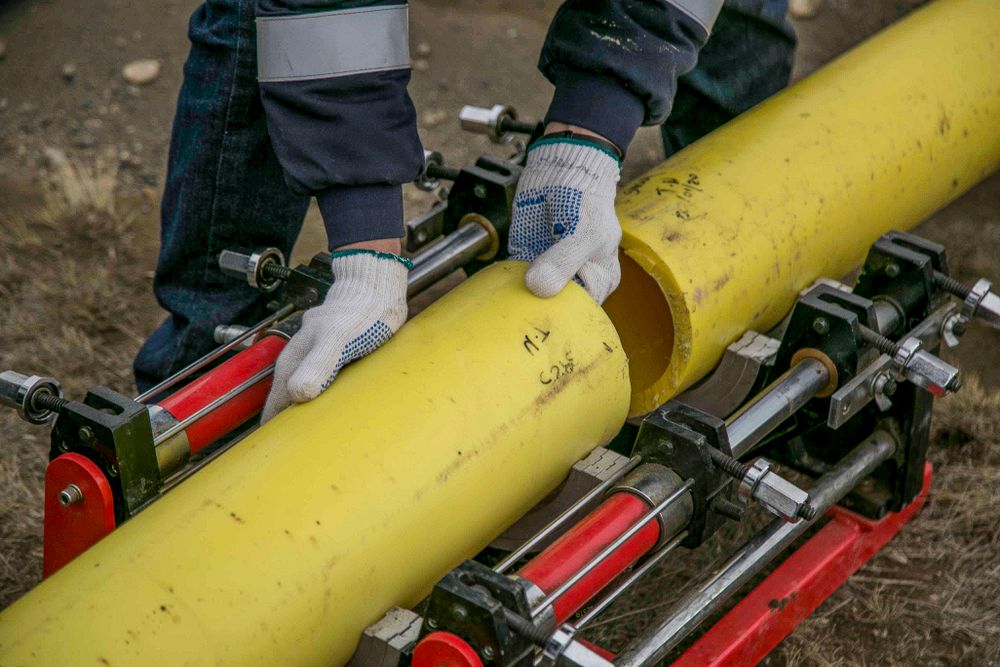
It can also be a stand-alone job. A pro locates the lateral, opens a small area, adds the fitting and riser, and finishes it with a cap at the surface. Whether that works without replacing any of the pipe depends on what the camera shows, so the pro explains the plan and the upfront price before work begins.
Why a cleanout makes future service faster
Access is time, and time shows up on the job. With a cleanout, a technician can clear a line or run a sewer camera inspection without detours. A line that backs up in the middle of the night is easier to deal with when the way in is known.
It also helps with documentation. A clean entry point means a good video, and a good video means a clear explanation of what is going on. Nobody can promise a cleanout will prevent a problem, but it makes every problem easier to see and to fix.
Finding your sewer cleanout
A quick walk around the house usually answers the question. Look near the foundation along the side of the house, in the front yard and near where the plumbing leaves the building. You are looking for a capped pipe, usually a few inches wide, either flush with the ground or in a small box.
Check under any plants, mulch or pavers that might hide it. If you find one, leave the cap in place and note where it is. If you cannot find one, say so on the call, and the pro will plan accordingly.
Sewer cleanout installation on Stanton lots
Around the park where mixed tract homes meet multifamily buildings, lots are a patchwork, and sewer line repair near Premier Park often starts with working out whether a house has its own cleanout or shares access with a neighbor. Where there is one, it is often near the front of the house or along a side wall.
Along Beach Boulevard, Katella and Knott Avenues, the picture changes again. For sewer line repair near Beach Boulevard, many complexes and mobile home parks have lines that may be private or HOA-managed, and a cleanout there may sit in a common area. Work in these places needs the owner or manager on board, and the pro will ask who to talk to.
In Stanton's older tracts, mature trees and driveways often cover the area where a cleanout would go, so planning the spot matters as much as installing it. These are tendencies by era and layout, not statements about any one house.